How to Handle Mold in Basement Wall Before It Spreads
If you have a basement, you have probably dealt with damp air, musty smells, or worse. That fuzzy patch on the drywall might look harmless at first, but once you spot mold in basement wall, the clock starts ticking. Mold does not stay put. It spreads through the wall cavity, up the framing, and into the living space above. I have seen basements where a small spot turned into a full remediation job inside a year. The good news is you can stop it if you understand what is happening behind the surface.
Why Basements Grow Mold
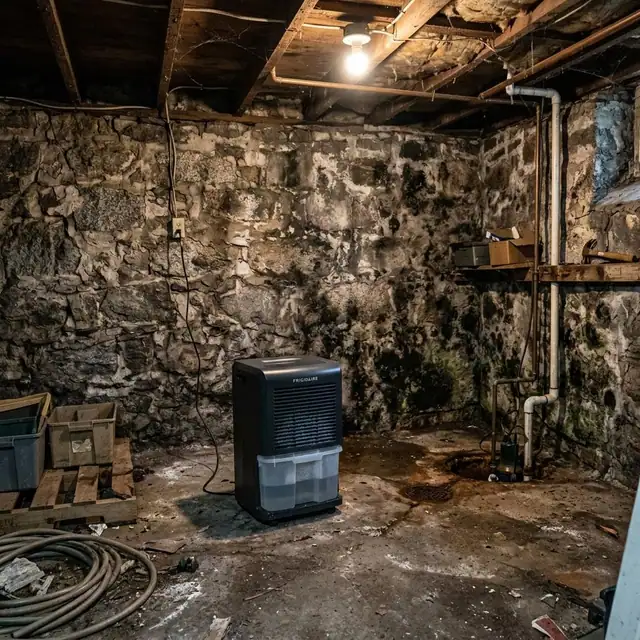
Basements sit below grade, surrounded by soil that holds moisture. The basement foundation is usually poured concrete or concrete block, both porous. Water seeps through hairline cracks, through the joint where the floor meets the wall, and through the concrete itself. That is water intrusion, and it is the single biggest reason you find mold in basement wall. Add a dehumidifier running on low, a few boxes of stored belongings, and poor airflow, and you have the perfect environment for fungal growth.
I once inspected a house in Boston where the owner had painted the concrete walls with a standard interior paint. Within two years, the paint was bubbling and black mold was growing behind it. The moisture had nowhere to go but into the wall cavity. By the time we opened the drywall, the fiberglass insulation was saturated and the wood studs had visible rot. That job required full mold remediation, removal of the affected insulation, and sealing the concrete with a proper concrete sealer before we could rebuild.
What You Are Really Dealing With
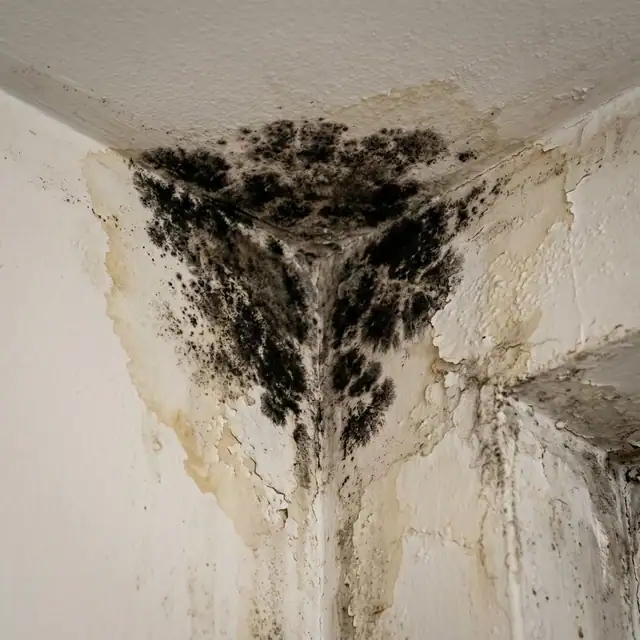
Many people use the words mold and mildew interchangeably, but they are different. Mildew is a surface fungus that grows on damp organic material. It looks flat and powdery, often white or gray. Mold, especially black mold, grows into the material. Black mold is the kind that stains drywall, eats through paper facing on insulation, and releases spores into the air. When you see black mold on a basement wall, you are not looking at a cleaning problem. You are looking at a moisture problem that has already damaged the structure.

A mold test kit can tell you what species you are dealing with, but it cannot tell you how deep the growth goes. Surface testing only catches airborne spores and surface swabs. If the mold is inside the wall cavity, you need to open the wall to see the full extent. That is why I recommend a visual inspection first, then testing if you need documentation or medical guidance.
Stop the Water First
Before you touch the mold, fix why it is there. Check the exterior grade around your foundation. Soil should slope away from the house for at least six feet. If you have a crawl space, make sure the ground inside is covered with a vapor barrier. Uncovered soil in a crawl space releases moisture into the air directly below your basement ceiling. That moisture travels up through the floor system and into the basement walls.
Inside the basement, look for signs of water intrusion. Efflorescence, the white powdery mineral deposit on concrete walls, is a sure sign that water is moving through the concrete. If you see efflorescence, you have moisture moving through the wall, and mold will follow. A concrete sealer applied to the interior can block some moisture, but it is not a fix for a cracked foundation. For serious water problems, you may need exterior excavation and waterproofing. That is expensive, but cheaper than replacing a basement full of moldy drywall and framing.
Cleaning Versus Remediation
There is a difference between cleaning a surface and doing mold remediation. Cleaning works for non-porous surfaces like tile, glass, or sealed concrete. You can use vinegar or a diluted bleach solution for small patches, but never mix bleach with ammonia or other cleaners. For porous materials like drywall, wood, or fiberglass insulation, cleaning does not work. The mold grows into the pores, and no surface cleaner will reach the roots. Those materials must be removed and replaced.
I have seen homeowners try to scrub black mold off drywall with bleach. It whitens the surface temporarily, but the mold grows back within weeks. The only permanent solution for mold in basement wall is removal of the affected material, drying the cavity, and addressing the moisture source. That is mold remediation, and it involves containment, HEPA vacuuming, and often an air scrubber to keep spores from spreading to the rest of the house.
Step-by-Step: What to Do When You Find Mold
If you find a patch of mold on your basement wall, here is a practical sequence that works:
- Do not disturb it. Scrubbing or brushing dry mold releases spores into the air. Seal the area with plastic sheeting if possible.
- Identify the moisture source. Check for leaks, condensation, or groundwater seepage. Fix that before you do anything else.
- Remove porous materials. Cut out and discard drywall, insulation, and any wood with visible mold growth. Bag everything in heavy plastic before carrying it through the house.
- Clean the cavity. HEPA vacuum the exposed studs and concrete. Then wipe with a damp cloth. Do not use bleach on wood; it damages the fibers. A mild detergent or vinegar solution is safer.
- Dry everything thoroughly. Run a dehumidifier and an exhaust fan to pull moisture out of the wall cavity for at least 48 hours before closing it back up.
If the area is larger than about three feet by three feet, or if the mold is inside the wall cavity, call a professional. Mold remediation companies have equipment like air scrubbers and containment barriers that keep spores from traveling through the HVAC system. They also know how to dispose of contaminated materials safely.
Prevention After Remediation
Once the moldy material is gone and the cavity is dry, you want to keep it that way. Here are the measures that work best in a basement:
- Install a vapor barrier on any exposed concrete walls. A thick polyethylene sheet or a paint-on vapor barrier can reduce moisture transmission through the foundation.
- Use fiberglass insulation with a paper facing that has a vapor retarder, or use closed-cell foam board instead. Do not use unfaced insulation in a basement wall unless you have a perfect vapor barrier on the warm side.
- Keep humidity below 50 percent. A dehumidifier set to 45 percent relative humidity will stop most mold growth. Empty it regularly or connect a hose to a floor drain.
- Seal the concrete with a concrete sealer. Look for a product designed for below-grade use. Paint-on sealers work, but they need to be reapplied every few years.
- Improve ventilation. If your basement has windows, open them on dry days. If not, consider a small exhaust fan or a ventilation system that pulls air from the basement and exhausts it outside.
When to Test and When to Skip It
Mold test kits are popular, but they are overused. If you can see mold or smell it, you already know it is there. Testing is useful when you need to identify a specific species, like if someone in the house has allergies or asthma and you want to know if it is toxic black mold. Testing is also helpful after remediation to confirm the air quality has returned to normal. But for most homeowners, a test kit just adds cost and confusion. The results can vary based on where you place the kit, the time of year, and the lab you use. Save your money and spend it on a dehumidifier or a concrete sealer instead.
I have been in basements where the homeowner spent hundreds on test kits and still had mold growing behind the drywall. The test told them what species, but it did not tell them the mold was inside the wall. By the time they found it, the insulation was ruined and the studs needed treatment. A visual inspection with a flashlight and a moisture meter would have caught it earlier.
Final Thoughts
Mold in basement wall is not a cosmetic issue. It is a structural and health issue that gets worse the longer you ignore it. The key is to stop the water, remove the contaminated material, and dry the space before rebuilding. Quick fixes like painting over mold or spraying bleach on drywall will not solve the problem. They just delay the inevitable and often make the situation harder to fix later.
If you live in Boston or anywhere with cold winters and wet springs, your basement is at risk. The freeze-thaw cycle opens cracks in the foundation, and snowmelt pushes water through the soil. Check your basement walls regularly, especially after heavy rain. If you see a dark patch on the drywall or smell that damp earthy odor, act fast. A small spot today can become a full remediation job next year.